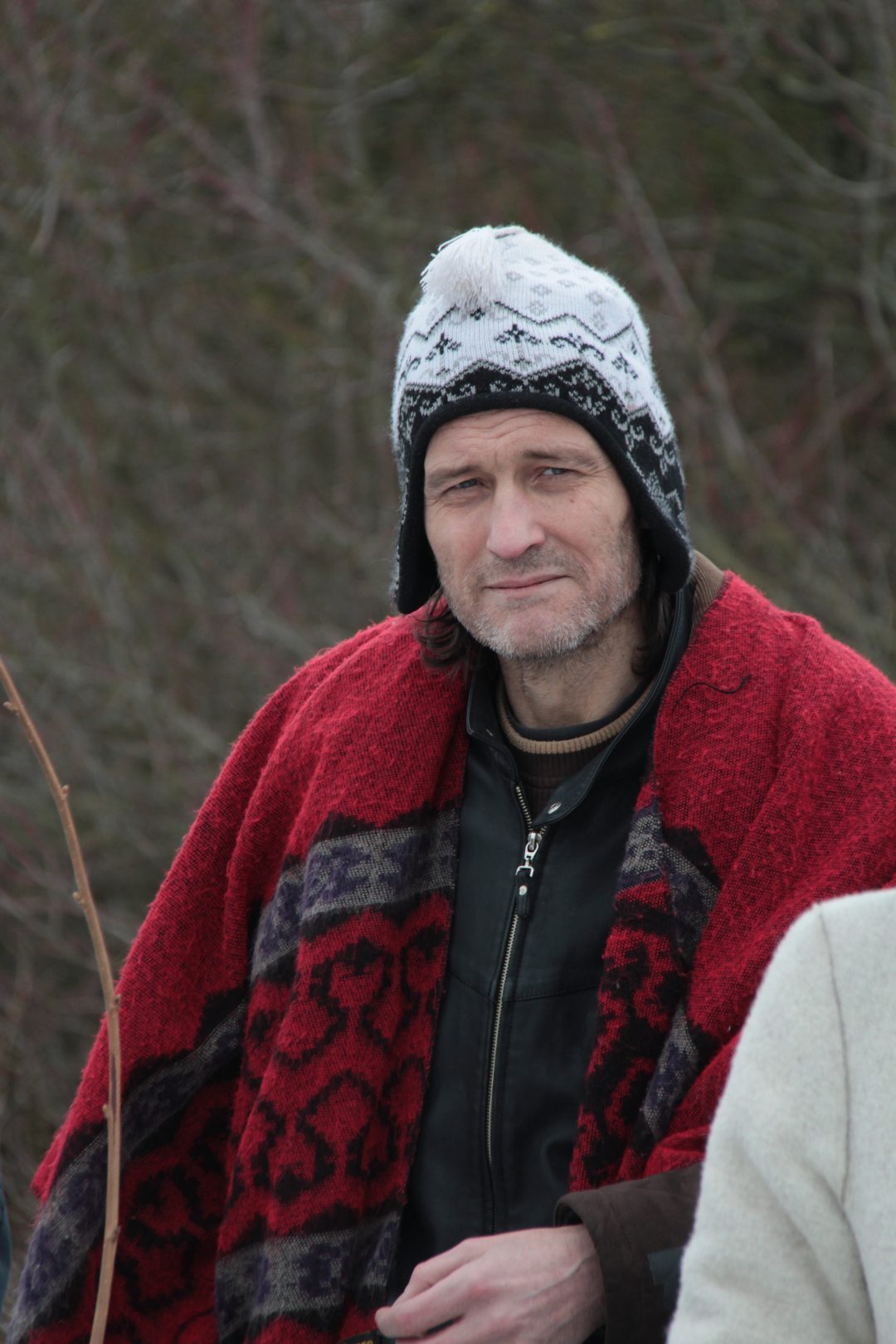
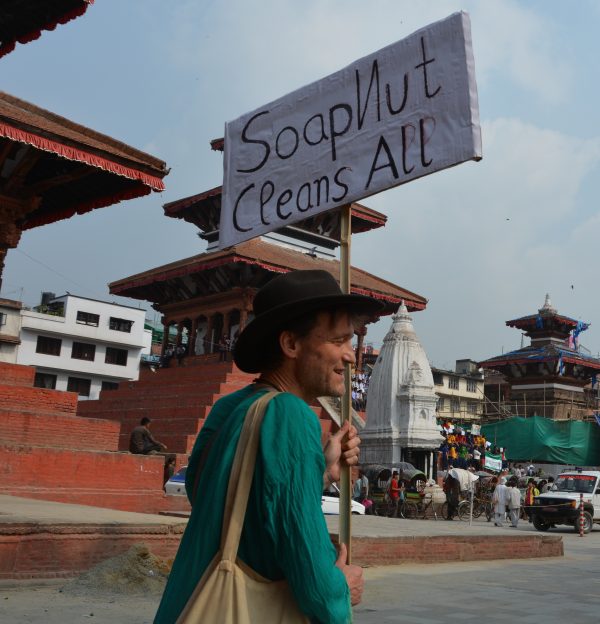
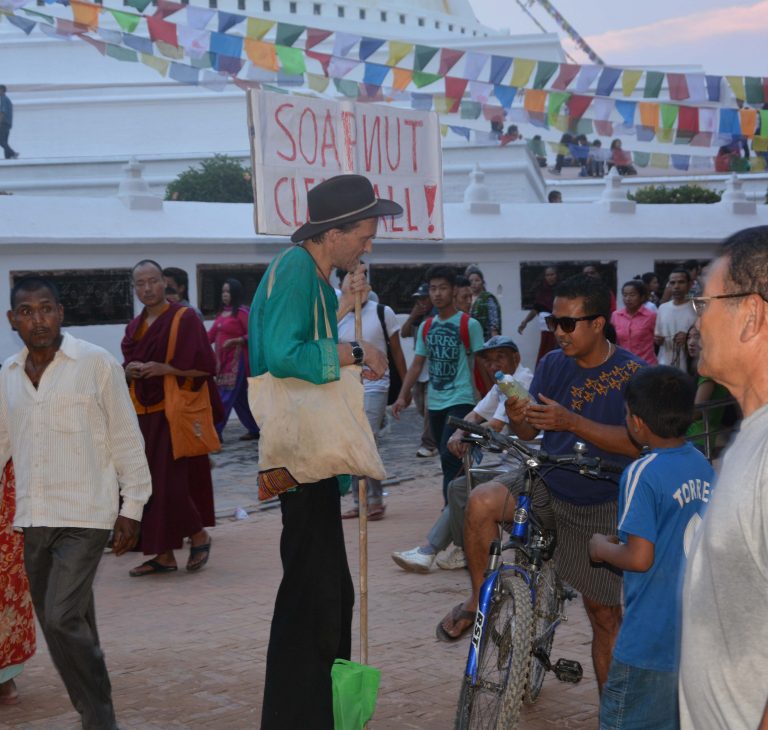
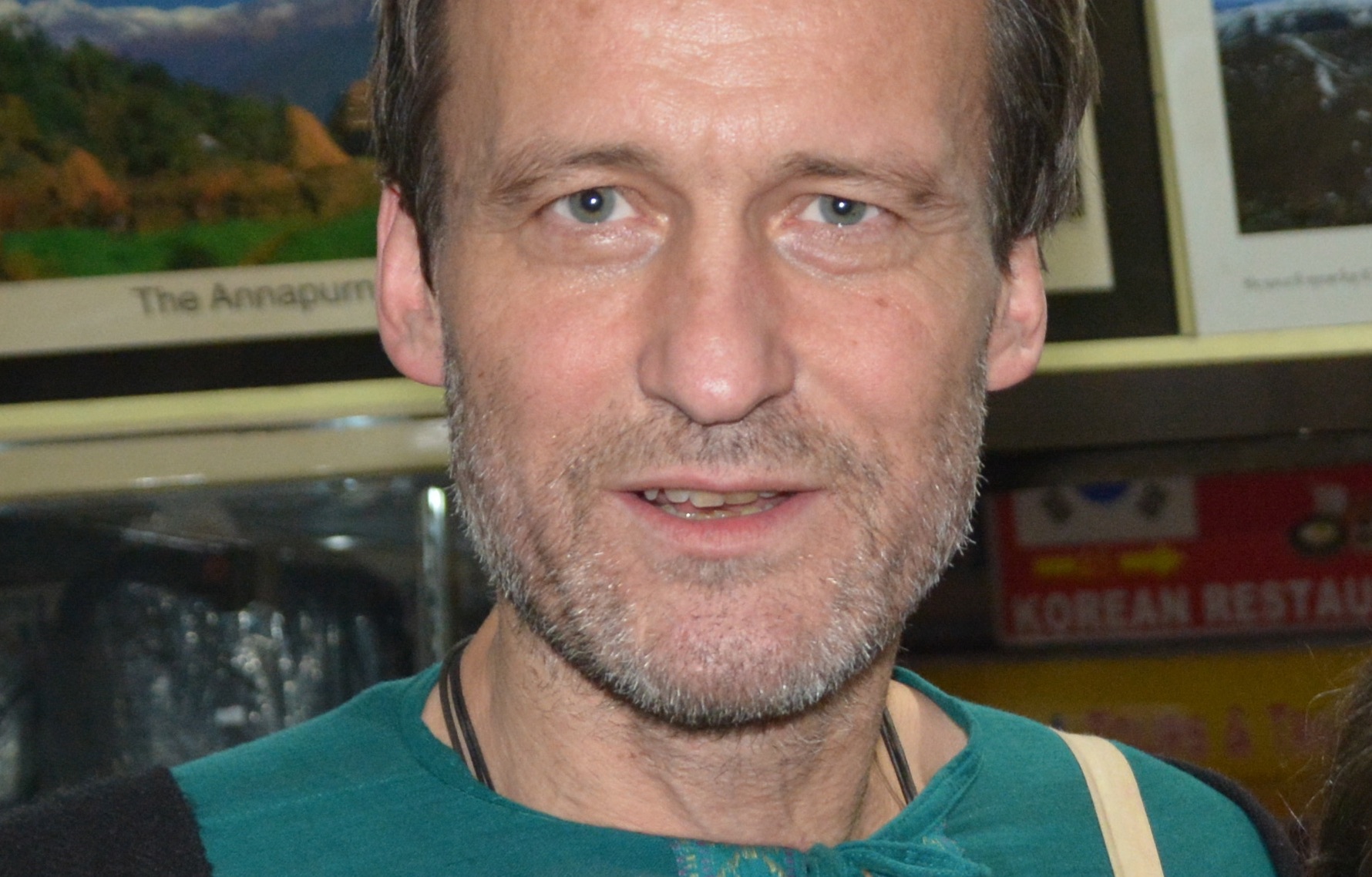
Sebastian Walter Schöck, born January 28th 1964 in Baden-Baden, died November 8th 2015 in Berlin, founded the Agency for Alternatives in 1993 in the Prenzlauer Berg neighborhood of Berlin. He documented, debated, and presented alternative thinkers, ideas, and projects of his time, such as round tables and the “new forum,” self-governed community projects and social economies, exchange rings and direct democracy, “threefolding of the social organism,” and “social sculpture” according to Joseph Beuys. In doing so, he regarded all people as his potential target group. He hoped for the free development of each human being by conscious co-creation of the specific circumstances of life – according to our needs and abilities – as well as for a healing of social and global problems, which has its source in as many singular people as possible. He practised self-cultivation of his own being and followed his insights consequently – even in cases of misunderstanding and critic.
His special interest was in alternative energies and innovative inventions, food sovereignty and the preservation of biological diversity, open-source developments and environmentally and catastrophe-oriented house construction, recycling and the wisdom teachings of advanced cultures and native peoples. He loved shared moments of evidence, win-win situations, and honesty. He spent a great deal of time with the excluded of society, such as beggars and homeless people, treating them as friendly equals. He helped wherever he could, lived very humbly and gave lots of presents, mainly books and discoveries that were essential to him. He planted trees and bred bees. The name of his agency was inspired by the Alternative (Eco-) Movements of the 1980s in West Germany – while he admired the peaceful revolution and round tables of East-Germany during the wall-falling-time.
Sebastian Walter Schöck worked on structures in which no one is excluded any more, ignored, traumatized, gentrified, muzzled – but rather irreplaceable. His commitment was also to the right and dignity of the animals, plants, elements, genii loci, and other cultures. He was concerned with creating environments where decisions are no longer made solely under the pressure of fear of poverty, loneliness in old age, professional or social failure – or by the vehemence of emotions caused by unfulfilled longings and old wounds, hectic activity and competition, envy, anger, and lack of tolerance. It was particularly important to him to find how to recognize and overcome the mechanisms of manipulation, division, and exploitation – as well as to grasp and overcome unjustified reciprocal encroachments and invasions between the spheres of economy, politics, and culture – and to overcome nationalism.
As a studied business economist he focused on –due to the paradigm of his time – unused potentials and on the avoidance of needless frictioal losses. His goal was the healing, unfolding, and flowering of inner and outer worlds. He referred to himself as a system-caregiver, and worked on creating environments where the richness and abundance come alive that nature can give to us, when we deal wisely with her. Here he embraced as starting points the creation of community gardens and edible landscapes; keeping and enhancing regional and neighborhood standards of living; protecting, reviving, and stimulating local economic cycles; coming together to balance interests; and supporting a culture of compassion, gratitude, and awareness of global responsibility of humanity.